




Articoli più letti dei nostri esperti







Attacco Hacker alla Galleria degli Uffizi: nel mirino i sistemi amministrativi
Questi ultimi giorni non è stato facile per l'Italia Cyber. Dopo l'attacco all'università La Sapienza, anche la Galleria degli Uffizi è finita nel mirino dei cyber criminali. Nel fine settimana...



La governance dei flussi di dati tra Direttiva NIS 2 e responsabilità penale omissiva
Dopo aver analizzato nei precedenti contributi il perimetro dei reati informatici e i rischi legati alle manovre di difesa attiva, è necessario compiere un ultimo passo verso la comprensione della...

Formazione avanzata in OSINT: la Polizia Postale rafforza le indagini nel cyberspazio
Si è concluso la scora settimana, presso la Scuola Allievi Agenti della Polizia di Stato di Vibo Valentia, il corso di formazione specialistica in OSINT - Open Source Intelligence, rivolto...

Azienda italiana violata: rubati 1,2 GB di dati a un istituto finanziario. È caccia al nome
Un nuovo annuncio apparso nelle ultime ore su un forum underground frequentato da cybercriminali riporta la messa in vendita di dati interni riconducibili a un istituto finanziario italiano. Al momento,...
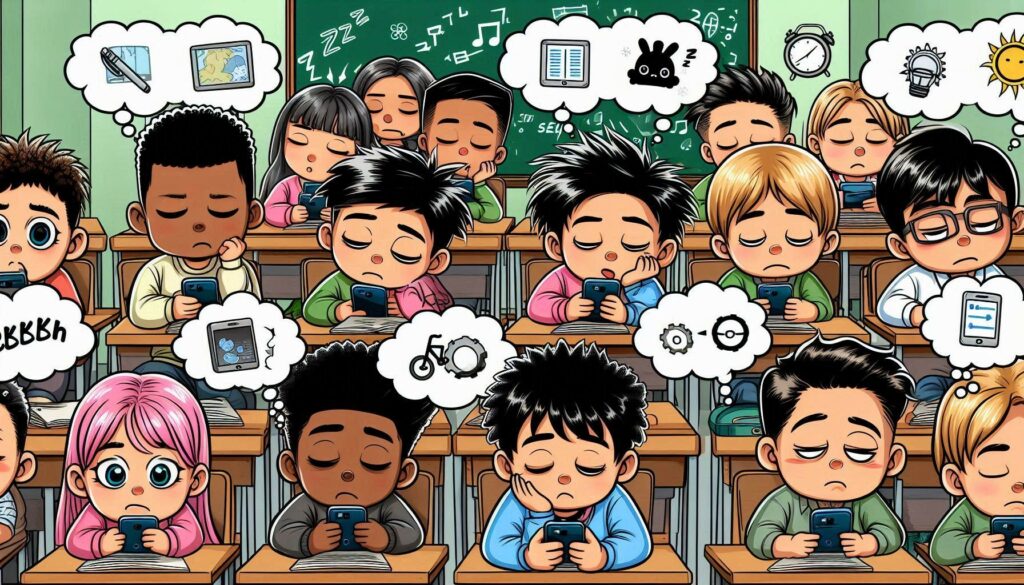
Vi costringeremo a studiare! Il governo olandese vuole vietare i social ai minori di 15 anni
Un piano d'azione per rafforzare le regole sui social media e sull'utilizzo dei dispositivi digitali da parte dei bambini è stato tracciato dal nuovo governo dei Paesi Bassi. La tutela...

Aggiornamento attacco hacker della Sapienza. Il comunicato agli studenti dal prorettore
Poco fa, l'Università La Sapienza intorno alle 12:28 ha confermato di essere stata vittima di un attacco informatico che ha costretto al blocco temporaneo di tutti i sistemi digitali dell'ateneo....

31,4 Tbps: quando il DDoS diventa “meteo” e l’IoT fa da grandine
Se vi state chiedendo quanto sia grande 31,4 terabit al secondo, la risposta pratica è: abbastanza da far sembrare “un problema di rete” quello che in realtà è un problema...

Sapienza paralizzata da un attacco hacker: perché l’università ha spento tutto
La mattina di lunedì 2 febbraio si è aperta con una notizia inattesa per studenti, docenti e personale della Sapienza Università di Roma. I principali servizi digitali dell'ateneo sono risultati...

Notepad++ è stato compromesso: cosa sappiamo dell’incidente informatico
Notepad++ ha recentemente subito un grave attacco informatico, rivelato dopo la pubblicazione della versione 8.8.9. L'indagine è stata condotta con esperti esterni e con il pieno coinvolgimento dell'ex provider di...

Arriva DynoWiper: il malware Distruttivo di Sandworm che colpisce l’Energia in Polonia
I ricercatori di ESET, leader globale nel mercato della cybersecurity, hanno identificato un nuovo malware distruttivo per la cancellazione dei dati, denominato DynoWiper, che è stato utilizzato in un attacco...
Ultime news
 Cyber Italia
Attacco Hacker alla Galleria degli Uffizi: nel mirino i sistemi amministrativi
Questi ultimi giorni non è stato facile per l'Italia Cyber. Dopo l'attacco all'università La Sapienza, anche la Galleria degli Uffizi...
Redazione RHC - 3 Febbraio 2026
 Diritti
La governance dei flussi di dati tra Direttiva NIS 2 e responsabilità penale omissiva
Dopo aver analizzato nei precedenti contributi il perimetro dei reati informatici e i rischi legati alle manovre di difesa attiva,...
Paolo Galdieri - 3 Febbraio 2026
 Cyber Italia
Formazione avanzata in OSINT: la Polizia Postale rafforza le indagini nel cyberspazio
Si è concluso la scora settimana, presso la Scuola Allievi Agenti della Polizia di Stato di Vibo Valentia, il corso...
Massimiliano Brolli - 3 Febbraio 2026
 Cyber Italia
Azienda italiana violata: rubati 1,2 GB di dati a un istituto finanziario. È caccia al nome
Un nuovo annuncio apparso nelle ultime ore su un forum underground frequentato da cybercriminali riporta la messa in vendita di...
Redazione RHC - 3 Febbraio 2026
 Cyber News
Vi costringeremo a studiare! Il governo olandese vuole vietare i social ai minori di 15 anni
Un piano d'azione per rafforzare le regole sui social media e sull'utilizzo dei dispositivi digitali da parte dei bambini è...
Redazione RHC - 3 Febbraio 2026
 Cyber Italia
Aggiornamento attacco hacker della Sapienza. Il comunicato agli studenti dal prorettore
Poco fa, l'Università La Sapienza intorno alle 12:28 ha confermato di essere stata vittima di un attacco informatico che ha...
Redazione RHC - 2 Febbraio 2026