Red Hot Cyber
Cybersecurity is about sharing. Recognize the risk, combat it, share your experiences, and encourage others to do better than you.
Search
Enterprise BusinessLog 320x200 1
Banner Desktop

Author: Aniello Giugliano

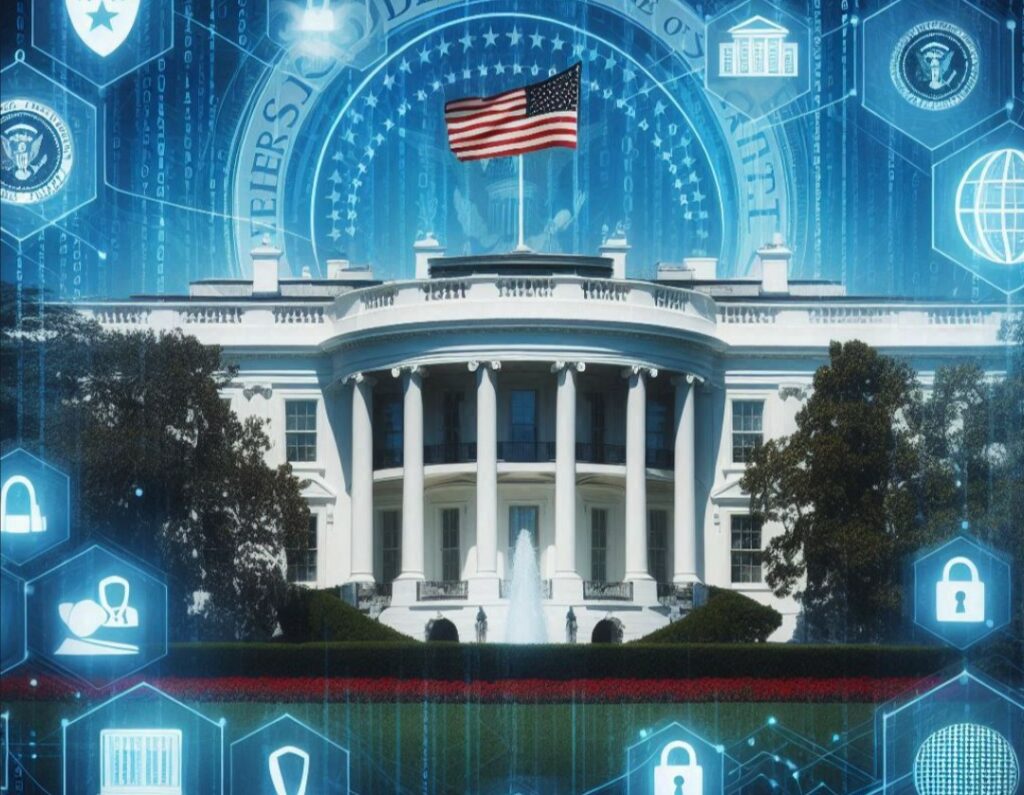
The US and Global Surveillance: Uncovering Section 702 of the Foreign Intelligence Surveillance Act

Privacy in the United States is a constant topic of debate, especially in the digital age. The Supreme Court has played a central role in interpreting the Fourth Amendment, which protects citizens from unreasonable searches and seizures. However, as technology advances, mass surveillance has evolved, raising questions about the balance between national security and individual rights. In this context, the Foreign Intelligence Surveillance Act (FISA) , and in particular Section 702 , introduced by the FISA Amendments Act of 2008 , are controversial legislative instruments that impact privacy in the United States and its spheres of influence. But what does all this

Data Anonymization: Protecting Privacy Without Losing Utility

In an era where personal data is being produced and shared on a massive, daily basis, the concept of anonymization takes on a central role in the debate on privacy protection and the ethical reuse of data. With the advent of the General Data Protection Regulation (GDPR), the European regulatory framework introduced precise definitions and stringent obligations for the processing of personal data, clearly distinguishing between identifiable, pseudonymized, and fully anonymized data. According to the GDPR, data can only be considered anonymous when it is rendered so irreversibly, meaning when it is no longer possible to directly or indirectly identify the data