



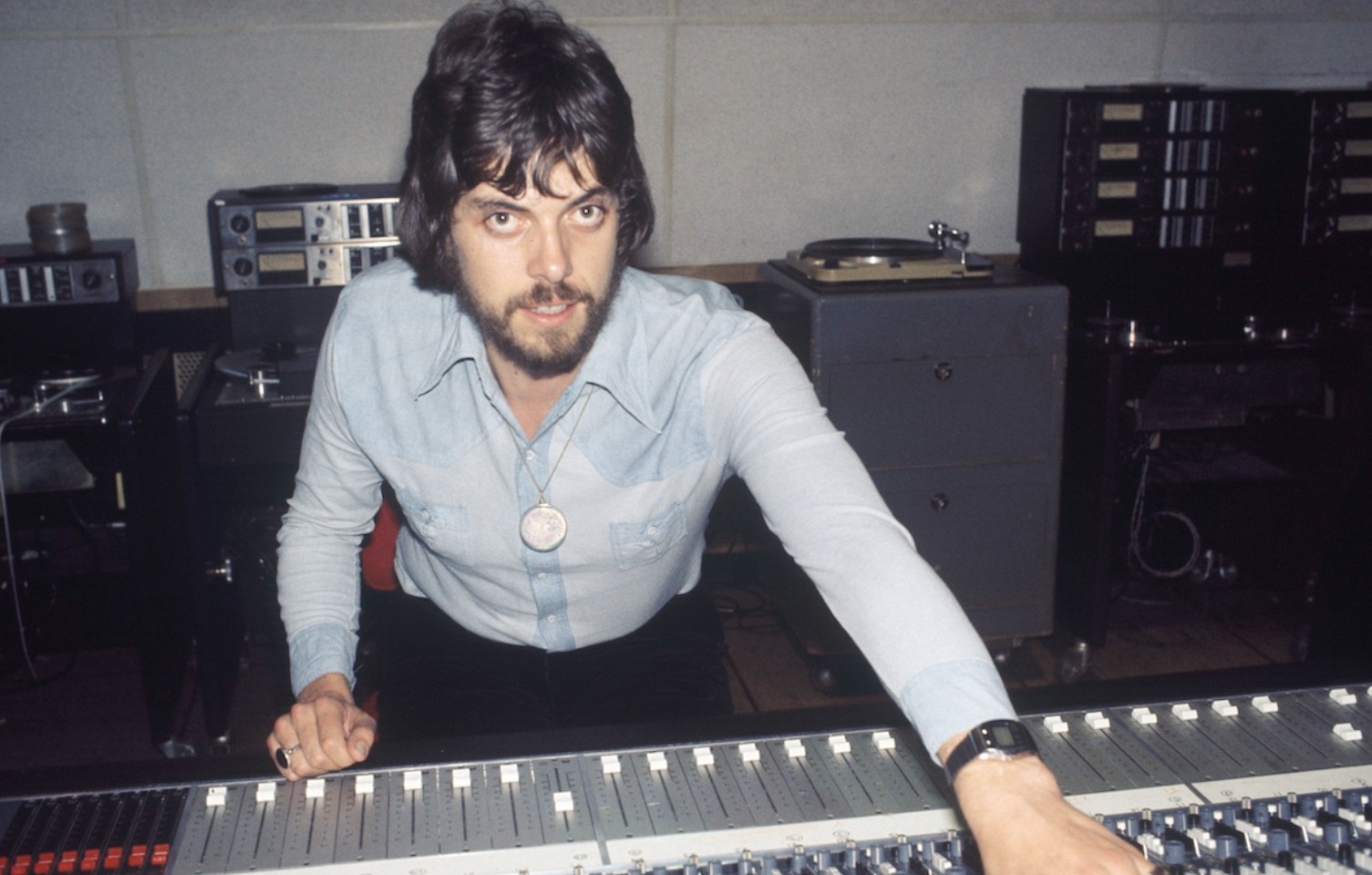
For those who love the music of Pink Floyd, they surely know Alan Parsons, the legendary sound technician who mixed masterpieces like The Dark Side of the Moon, as well as the founder of The Alan Parsons Project. This was many years ago, when the mix was “immersive” and when the world was NOT digital, but totally analog.
Analog were the guitars, analog were the amplifiers, analog were the pre-amplifiers of the microphones and analog were the mixers and multitrack recorders, and analog were the hands that touched the instruments to find the best riff. Hi-Fi music enthusiasts still remember the typical compression of “Tape” and “Vinyl” and that cut at 17Khz that made the sound soft and totally under control.

Productions were expensive and made masterpieces of all kinds shine in that exciting period (as reported in Simone D’Agostino’s post) between the 70s and the late 80s. Then came the mp3 and the iPod and its horrible headphones that said goodbye to Hi-Fi for music always in your pocket. Composing became “democratic”, where everyone, with a sampler in hand, could try their hand at creating music.
Then came Artificial Intelligence and it’s Game Over.
Today, Apple Music is receiving more and more music entirely created by neural networks. Apple Music’s vice president, Oliver Schusser, has stated that Apple classifies as such over a third of the new material coming from labels and distributors. This wealth barely reaches the listeners: AI-generated tracks account for less than 0.5% of Apple Music streams.
Deezer has also faced a similar problem. A week earlier, the service had announced that neural networks were creating almost half of the new tracks uploaded to the platform. Following this, Deezer decided not to publish such recordings in Hi-Res Audio format, a format with superior audio quality.
Apple is developing a labeling system for tracks created or improved with artificial intelligence. In March, the company sent a letter to its partners regarding the Transparency Tags, new labels for track data. Labels and distributors will be able to indicate if artificial intelligence was used in recording, mixing, processing, or other stages of track development. Labeling is currently voluntary, but Schusser clarified that Apple expects the participation of content providers, not just the platform itself.
Apple also has its own verification technology. According to Schusser, internal tools help determine which music has been sent by partners, if artificial intelligence was used, and which model may have been involved in creating the recording. This verification will likely complement the tags that record labels and distributors add when uploading tracks.
Fraud is a risk in itself. Neural networks allow for the rapid generation of thousands of identical tracks, uploading them through distributors, and inflating playback numbers to secure payments. Schusser links AI-generated music to fraud, despite Apple fighting downloads and artificial playback since the iTunes era.
Four years ago, Apple introduced a fine for this type of fraud: if the service detects an offender, the money is confiscated and returned to the general fund for payments to copyright holders. This year, the fine has been doubled. According to Schusser, since the introduction of this mechanism, the number of fraudulent downloads has decreased by 60%.
Spotify is also tightening its rules. In the last 12 months, the service has removed 25 million AI-generated tracks and is preparing a new strategy against generated music. Deezer, on the other hand, already labels these recordings and limits them to high-resolution audio.
Most Apple Music users have not yet encountered music suggestions based on artificial intelligence. But for streaming services, record labels, and artists, the problem is already serious: platforms must separate tracks developed with neural networks from traditional music, block fraud, and protect payments to musicians who perform live.