




The question has been circulating for over ten years: can a smartphone really replace a computer?
Over time, the industry has repeatedly attempted to provide a concrete answer, without ever reaching a definitive solution.
From early experiments like Ubuntu Phone and Microsoft Continuum, through Samsung DeX, Motorola Ready For , and Android’s desktop mode, the idea has always stopped at one point: Android remained the heart of everything, simply disguised as a desktop environment.
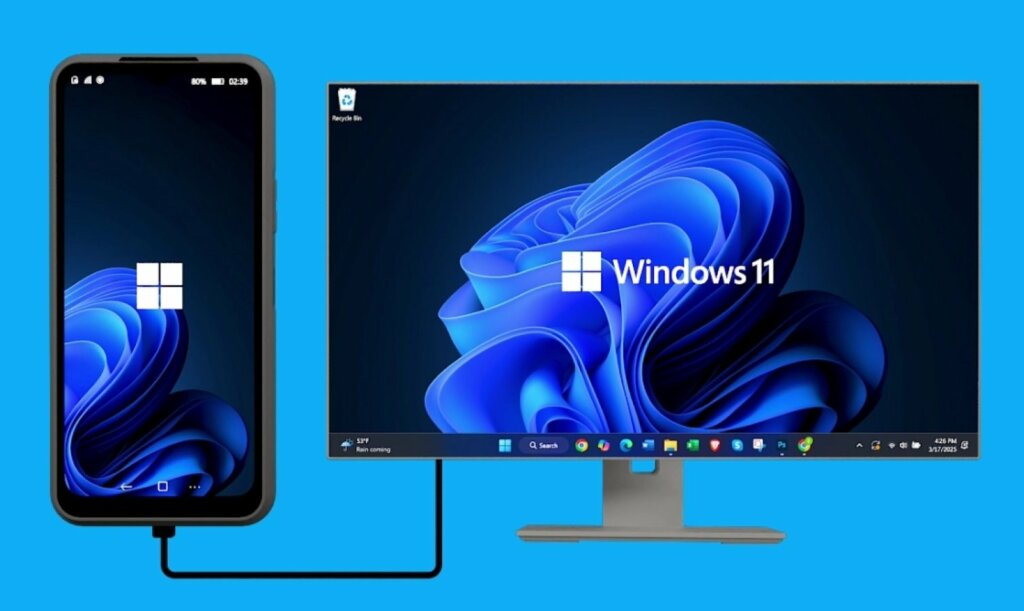
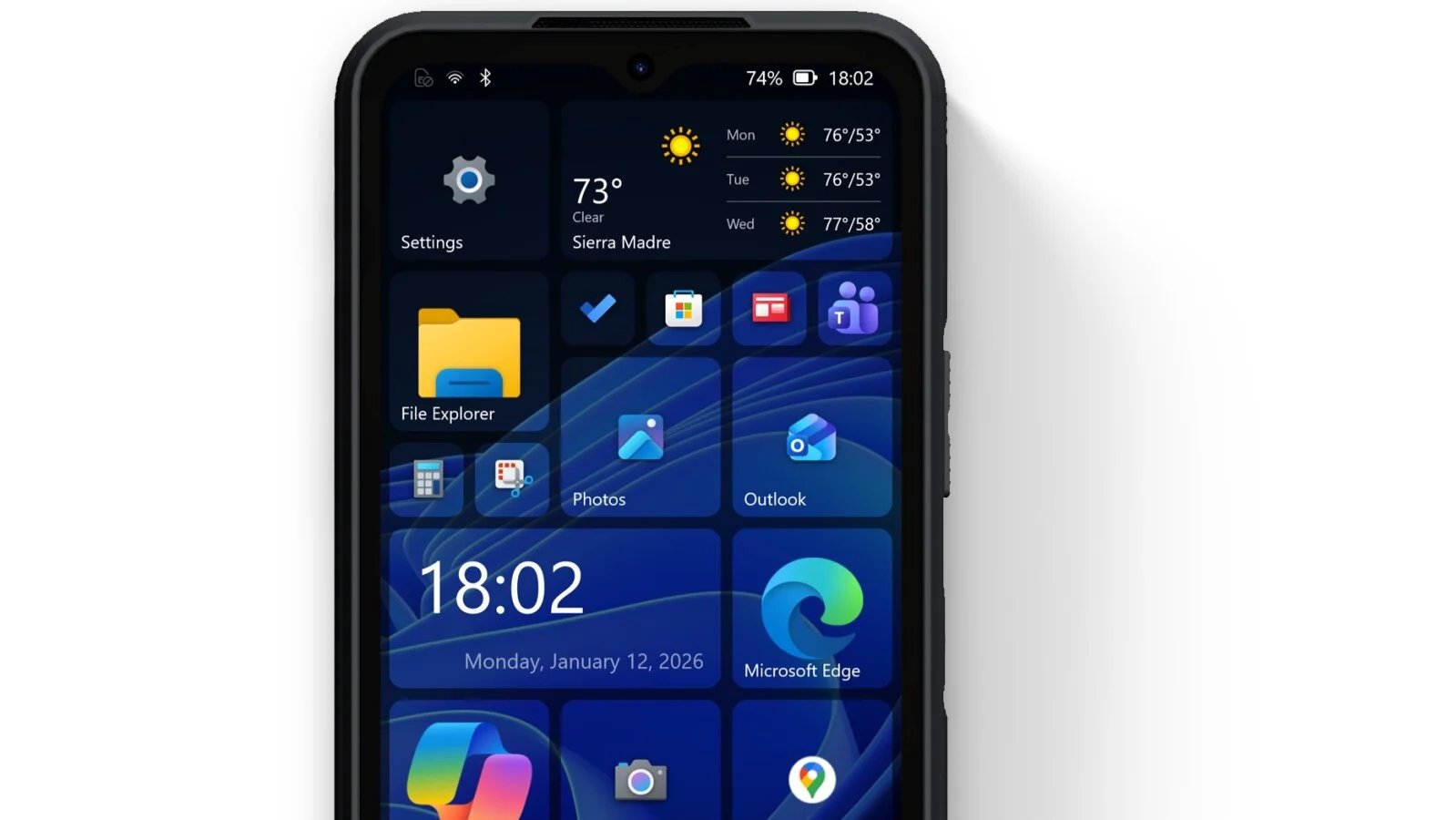
NexPhone takes a different and decidedly more radical approach. Instead of adapting Android, it directly integrates three complete operating systems into the same device: Android, Debian Linux, and Windows 11. This isn’t emulation or remote desktop, but a true multi-system.
Android and Debian can run in parallel, with Linux even booting as an application. Windows 11, on the other hand, resides on a separate partition and requires a dedicated reboot. This is a clear choice, designed to avoid conflicts and ensure stability.
In Nex Computer’s vision, the phone becomes a “multifaceted computing terminal”: Android for everyday use, Debian for development, maintenance, and learning, and Windows for essential software that requires complete compatibility.
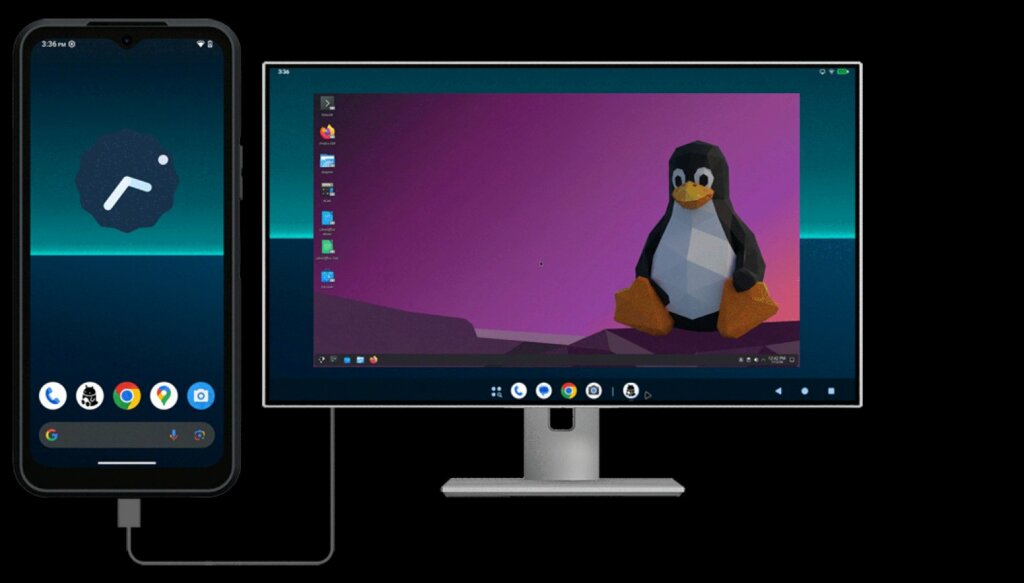
Connected to a screen, mouse, and keyboard, NexPhone doesn’t impose a single mode . The user can choose between an Android desktop for light work, a full Debian desktop for technical tasks, and a traditional Windows 11 environment , compatible with legacy software.
At the file system level, Android and Linux share data, making it easy to switch between environments. Windows remains isolated, reinforcing the idea of a three-system mini laptop rather than a simple smartphone.
The specs tell a conservative story: 6.58-inch 120Hz LCD display, 12GB of RAM, 256GB of expandable storage, 5000mAh battery with wireless charging , and a mid-range camera setup.
The most controversial point is the Qualcomm QCM6490 processor. It’s not a flagship chip, but it offers long-term software support, a feature considered more important than raw performance for a device designed to last for years.
NexPhone isn’t designed to replace high-performance PCs. Its ideal users are occasional developers, professionals looking to downsize their devices, and enthusiasts drawn to the freedom of form. With a price tag of $549 and expected to ship in the third quarter of 2026, Nex Computer seems to be aiming more for an ambitious experiment than a mass-market product.
Follow us on Google News to receive daily updates on cybersecurity. Contact us if you would like to report news, insights or content for publication.