



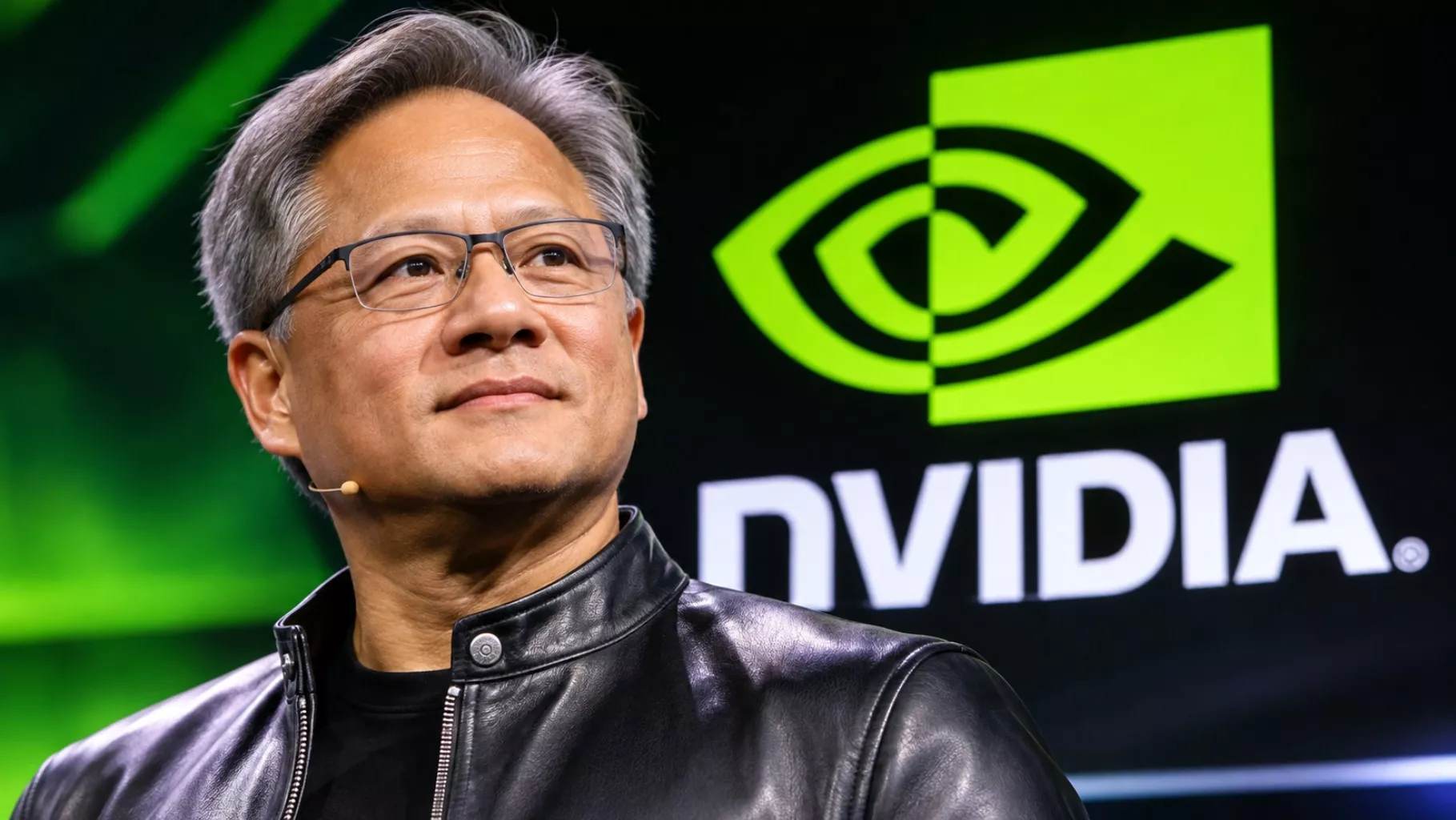
As they say: all’s well that ends well. Jensen Huang’s return to the helm of Nvidia marks a dramatic turn in one of the most controversial issues in the tech sector in recent years. On Monday, November 23, 2026, the board of directors of the American semiconductor giant unanimously voted to reinstate the company’s co‑founder and chief executive to his position, and this just 11 days after his resignation.
The decision also came after pressure exerted by U.S. President Donald Trump, who had previously voiced public support for Huang’s return.

The crisis began after the disclosure of information about an extramarital affair that Huang is alleged to have had, with a woman suspected of being linked to Chinese intelligence services. Given Nvidia’s strategic position in the technology rivalry between Washington and Beijing, these accusations raised national‑security concerns in the United States.
The board’s decision was preceded, just a week earlier, by the public announcement from Nvidia’s board chair, Harvey Jones, ruling out any return of the founder to his post, deeming the disclosed conduct incompatible with the company’s ethical standards and corporate culture. At the same time, CFO Colette Kress had been appointed interim chief executive.
But the course of events shifted after Donald Trump’s intervention. Trump claimed to have made direct or indirect contacts with board members, asserting a personal role in achieving this decision. The U.S. president also confirmed that the related investigations uncovered no legal violations by Huang and did not demonstrate that he poses a national‑security threat.
For its part, the board expressed satisfaction with the founder’s level of transparency and leadership abilities. It added that, after hearing the views of U.S. government officials, it concluded that Huang’s return will not constitute a national‑security threat.
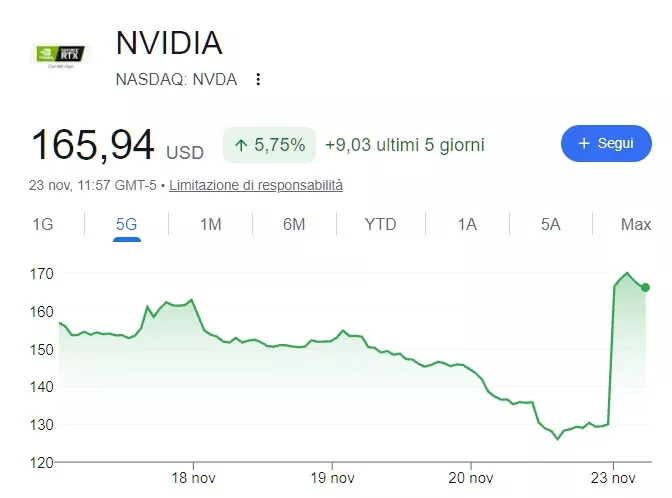
The market reaction was swift. Nvidia’s shares jumped roughly 33%, amid expectations of a roughly $900 billion increase in the company’s market value. This performance clearly reflects investors’ belief that Jensen Huang is a pivotal figure in shaping the future of artificial intelligence.
Political criticism also arrived promptly. A number of Democratic figures, including Elizabeth Warren and Chuck Schumer, have questioned the decision, calling for stronger safeguards on semiconductor exports to China. Some Republicans have likewise voiced concerns about the issue.
Huang’s return to his post does not mean all pending files have been closed. Nvidia remains subject to several investigations by U.S. authorities, including suspicions of possible accounting violations and potential smuggling of electronic chips.
The company announced the formation of a committee dedicated to national security and export controls, as well as launching an internal probe to determine whether there have been attempts at interference by foreign intelligence services.
Thus, Jensen Huang returns to Nvidia’s helm at a critical juncture. The company is not only one of the most prominent players in the AI revolution, but also a key component of the United States’ technology strategy.
At present, his leadership position appears hard to replace. Yet this concentration of influence raises a question worth pondering: how far can the future of one of the world’s most important tech companies depend on a single individual?