


In a sprawling investigation, security researchers have pulled back the curtain on a sophisticated cyber-espionage operation dubbed the “Shadow Campaigns.” This covert effort, tracked as TGR-STA-1030, has targeted governments and essential infrastructure across the globe. The breadth of this activity, its tools and motives paint a disturbing picture of modern digital espionage.
According to the research, TGR-STA-1030, believed to be aligned with a state actor based in Asia, has compromised systems in at least 37 countries over the past year. Roughly one in five countries worldwide has faced a critical breach tied to this group.
But their reach doesn’t end there. Between November and December 2025, the group conducted reconnaissance scans on government systems tied to 155 countries, illustrating a much broader interest in global targets.
The primary focus has been ministries and departments tied to finance, trade, diplomacy and natural resources, with some organizations remaining compromised for months.
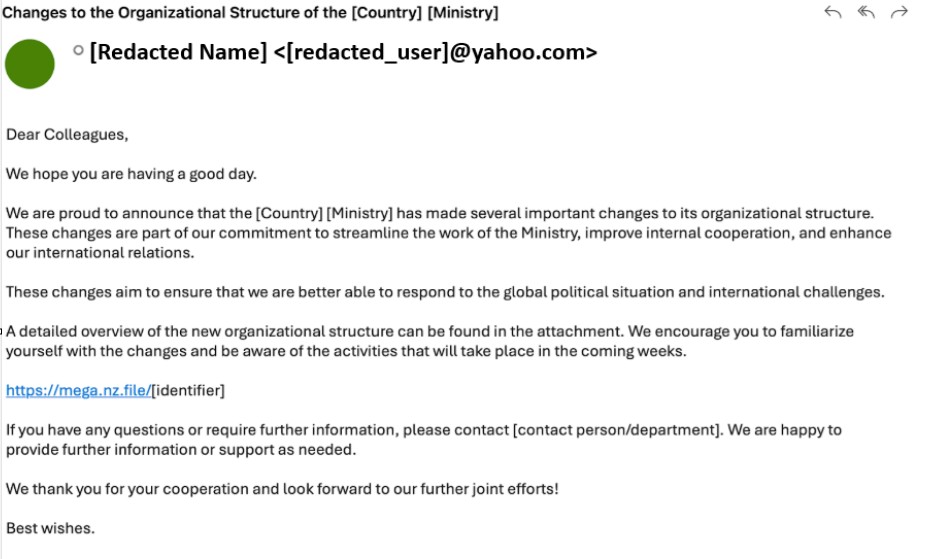
TGR-STA-1030 often begins operations with malicious phishing messages designed to trick government email users into opening harmful files. Early campaigns triggered downloads of cleverly named archives, revealing custom malware.
While no zero-day exploits were observed, the threat actor tested and deployed a wide range of known exploit kits and proof-of-concept tools to gain initial access.
Web shells such as Behinder, Neo-reGeorg and Godzilla have been used to keep access open once systems were breached. The group also leveraged tunnels like GO Simple Tunnel (GOST) to move data and maintain communication with compromised networks.
A particularly stealthy tool was a Linux kernel rootkit called ShadowGuard, which operates discreetly within the trusted kernel environment, obscuring processes and files from traditional detection methods.
The report highlights distinct focus regions across the Americas, Europe, Asia, Oceania and Africa, suggesting the group’s interests often align with geopolitical or economic developments.
For example, scanning activity increased around national events and diplomatic moves. Compromises in countries like Brazil and Mexico appeared linked to mining and trade topics, while in Europe, scanning followed interactions involving government officials.
Across Asia and the Pacific, scanning favored nations in the South China Sea and Gulf of Thailand areas, while in Africa, intelligence efforts seemed linked to economic interests and mining operations.
Throughout all regions, the group targeted ministries of finance, foreign affairs and other high-value governmental functions, underlining the espionage intent behind these campaigns.
The research was published by Unit 42, the threat intelligence team behind this deep analysis of the Shadow Campaigns and their global implications.
This investigation reminds defenders that cyber-espionage can spread far beyond traditional threat landscapes, and defenders must constantly evolve to understand not just how an adversary operates, but why. Vigilance, detection and preparedness remain essential in a world where digital borders and national security converge.
Follow us on Google News to receive daily updates on cybersecurity. Contact us if you would like to report news, insights or content for publication.