




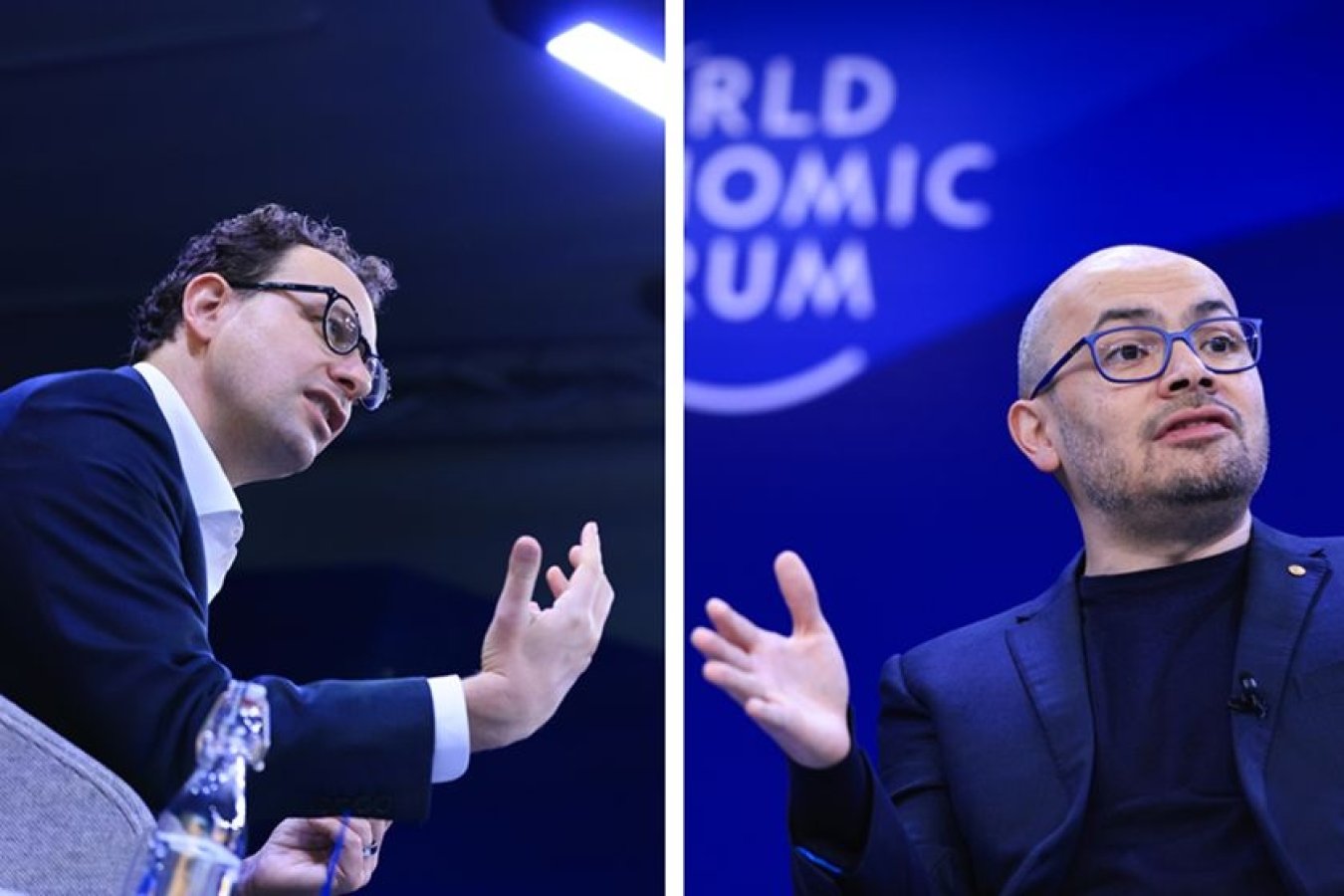
Se c’erano ancora dubbi sul fatto che le principali aziende mondiali di intelligenza artificiale fossero d’accordo sulla direzione dell’IA, o sulla velocità con cui dovrebbe arrivarci, questi dubbi sono stati dissipati al World Economic Forum (WEF) 2026.
Durante la sessione “The Day After AGI” a Davos, Demis Hassabis, co-fondatore e CEO di Google DeepMind, e Dario Amodei, CEO e co-fondatore di Anthropic, hanno espresso opinioni nettamente diverse sulle tempistiche dell’IA, sui rischi geopolitici e sociali e sulla possibilità, o meno, di rallentare la corsa all’IA.
Questo è fondamentale, poiché Google DeepMind e Anthropic stanno sviluppando due dei modelli di IA più performanti al momento, rispettivamente Gemini e Claude.
A differenza del WEF 2025, dove gran parte del dibattito sull’IA ruotava attorno al modello cinese DeepSeek e ai suoi modelli linguistici di grandi dimensioni sorprendentemente convenienti, quest’anno Davos si è spostata più in là.
La discussione non si è più concentrata su chi avesse costruito il modello più economico o più veloce, come lo scorso anno sullo sviluppo del modello incredibilmente conveniente dell’azienda cinese DeepSeek. Quest’anno, le discussioni ruotano attorno a una prospettiva più ampia: su come si prevede che la tecnologia venga implementata, sui suoi rischi e sull’impatto sulla società.
Si sta chiaramente insinuando un avvertimento: il CEO di Microsoft Satya Nadella ha osservato che l’intelligenza artificiale deve “fare qualcosa di utile che cambi i risultati delle persone, delle comunità, dei paesi e delle industrie”, se vuole attrarre investimenti e costruire infrastrutture di supporto.
Google DeepMind e Anthropic rimangono fiduciosi nel loro approccio.
Hassabis concorda sul fatto che i prossimi due anni saranno complicati, con le aziende di intelligenza artificiale e la società che si troverà ad affrontare diverse sfide, tra cui questioni geopolitiche, ma indica il loro lavoro su AlphaFold e sulla scienza come elementi cruciali per cercare di risolvere problemi del mondo reale, come la cura delle malattie e la ricerca di nuove fonti energetiche.
“Credo che l’equilibrio tra ciò che il settore sta facendo non sia sufficientemente equilibrato verso questo tipo di attività. Dovremmo avere molti più esempi di soluzioni simili ad AlphaFold che contribuiscono in modo inequivocabile al bene del mondo”, ha osservato Hassabis. “È compito del settore e di noi attori principali non solo parlarne, ma dimostrarlo”, ha aggiunto.
Demis ha parlato del panorama geopolitico da affrontare e della “natura transfrontaliera della tecnologia”, invocando un consenso mondiale che, a suo avviso, darà un impulso positivo agli standard minimi di sicurezza e alla loro implementazione. “È di vitale importanza, perché avrà ripercussioni sull’intera umanità”, ha sottolineato.
Ti è piaciuto questo articolo? Ne stiamo discutendo nella nostra Community su LinkedIn, Facebook e Instagram. Seguici anche su Google News, per ricevere aggiornamenti quotidiani sulla sicurezza informatica o Scrivici se desideri segnalarci notizie, approfondimenti o contributi da pubblicare.

 Cybercrime
 Innovazione
 Cybercrime
 Vulnerabilità
 Innovazione