




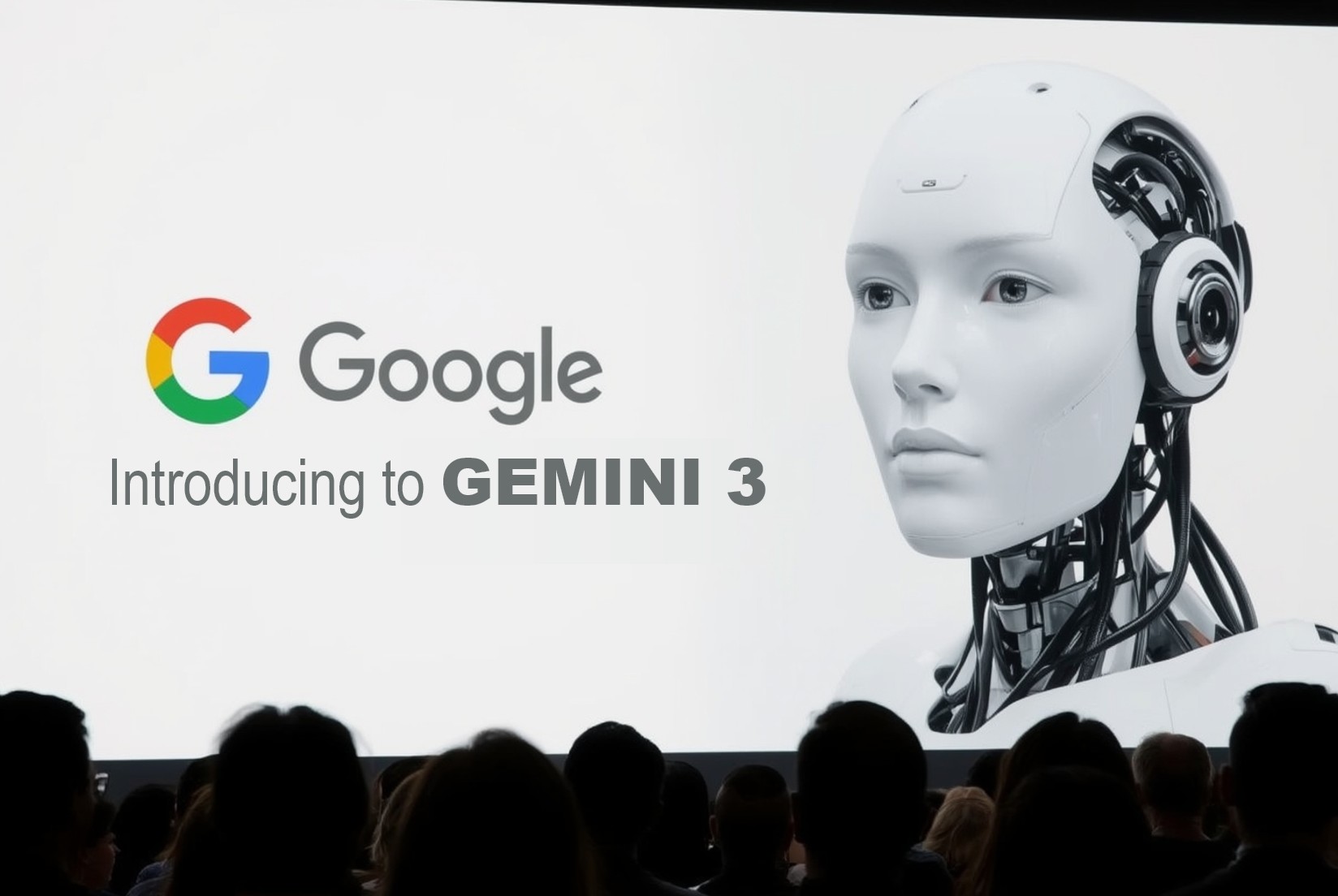
Nel corso dell’ultima settimana, Google ha annunciato che l’assistente Gemini potrà da ora integrare nativamente i servizi YouTube e Google Maps senza la necessità di utilizzare comandi specifici come “@YouTube” o “@Google Maps”.
Questa modifica segna un passo verso un’interazione più fluida e “naturale” con l’AI all’interno dell’ecosistema Google, riducendo la frizione tra l’utente e i diversi servizi. Per l’utente medio ciò significa che potrà chiedere “fammi vedere un video su…” o “portami a…” senza doversi preoccupare del prefisso corretto.
Allo stesso tempo, emergono nuove indiscrezioni riguardo la prossima evoluzione del modello Gemini, etichettata come “Gemini 3.0“.
Secondo un articolo recente, questa versione è attesa per la fine del quarto trimestre del 2025 o all’inizio del 2026 e promette capacità multimodali ancora più avanzate“. Naturalmente, trattandosi di rumor non confermati ufficialmente, resta prudente considerarle come indicazioni preliminari.
Un’altra novità significativa riguarda la capacità di Gemini di “ricordare” senza esplicito comando: Google ha introdotto un aggiornamento che permette all’assistente di richiamare automaticamente preferenze, contesti e storici d’uso dell’utente, senza che questi debba chiedere “ricorda che…” ogni volta.
Si tratta di una funzionalità che punta a rendere l’interazione più personalizzata, ma che solleva anche questioni sul fronte della privacy e della gestione dei dati: quando un’AI “sa” troppo, occorre trasparenza e controlli adeguati.
In termini di creatività e produzione multimediale, l’app Gemini ha integrato il modello Veo 3, che consente di generare video a partire da immagini statiche o prompt testuali, includendo anche audio sincronizzato. In pratica, sarà possibile trasformare una foto in un breve video (circa 8 secondi a 720p) con movimento e suono generati dall’AI. Questo segna un’avanzata notevole nel campo dell’AI generativa multimodale, rendendo più accessibili strumenti che fino a poco tempo fa erano riservati a contesti specialistici.
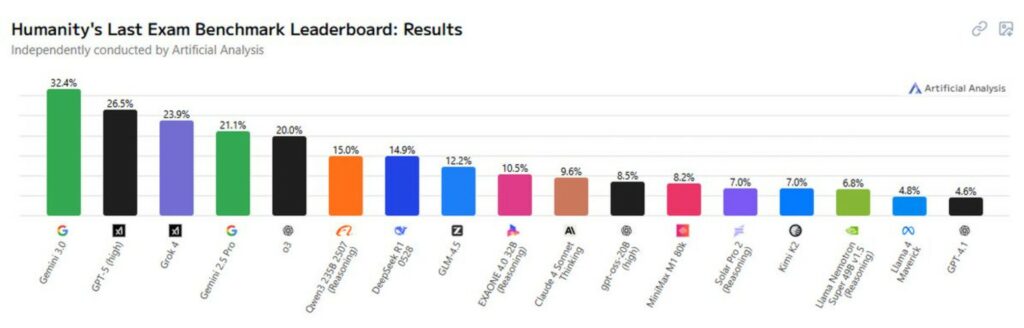
Riguardo al branding e alle strategie di offerta, Google ha concluso la riorganizzazione dei nomi associati a Gemini: le versioni “Pro” e “Ultra” che identificavano varianti del servizio sono state abbandonate, lasciando un’unica “app Gemini” con livelli di accesso (free, Pro, Ultra) distinti solo dal piano, e non da un nome diverso per il modello. Ciò semplifica la percezione dell’utente finale e segnala che Google vuole spostare l’attenzione più sulle capacità del servizio che sulla “versione” del modello.
Infine, va preso in considerazione il contesto regolamentare: benché le novità siano tutte positive, vi è crescente attenzione da parte di enti regolatori su come i grandi modelli AI vengano rilasciati e supervisionati.
Ad esempio, uno studio recente ha sottolineato che alcuni modelli Gemini precedenti avrebbero avuto problemi di precisione (cosiddette “Allucinazioni“), e ciò alimenta la necessità che nuove versioni come Gemini 3.0 siano accompagnate da adeguati test e comunicazioni trasparenti.
Per chi opera nel campo della cybersecurity o dell’IT, questo significa che ogni evoluzione del modello va valutata non solo per le possibilità che apre, ma anche per i nuovi rischi che può generare.
Ti è piaciuto questo articolo? Ne stiamo discutendo nella nostra Community su LinkedIn, Facebook e Instagram. Seguici anche su Google News, per ricevere aggiornamenti quotidiani sulla sicurezza informatica o Scrivici se desideri segnalarci notizie, approfondimenti o contributi da pubblicare.

 Cybercrime
 Innovazione
 Cybercrime
 Vulnerabilità
 Innovazione