




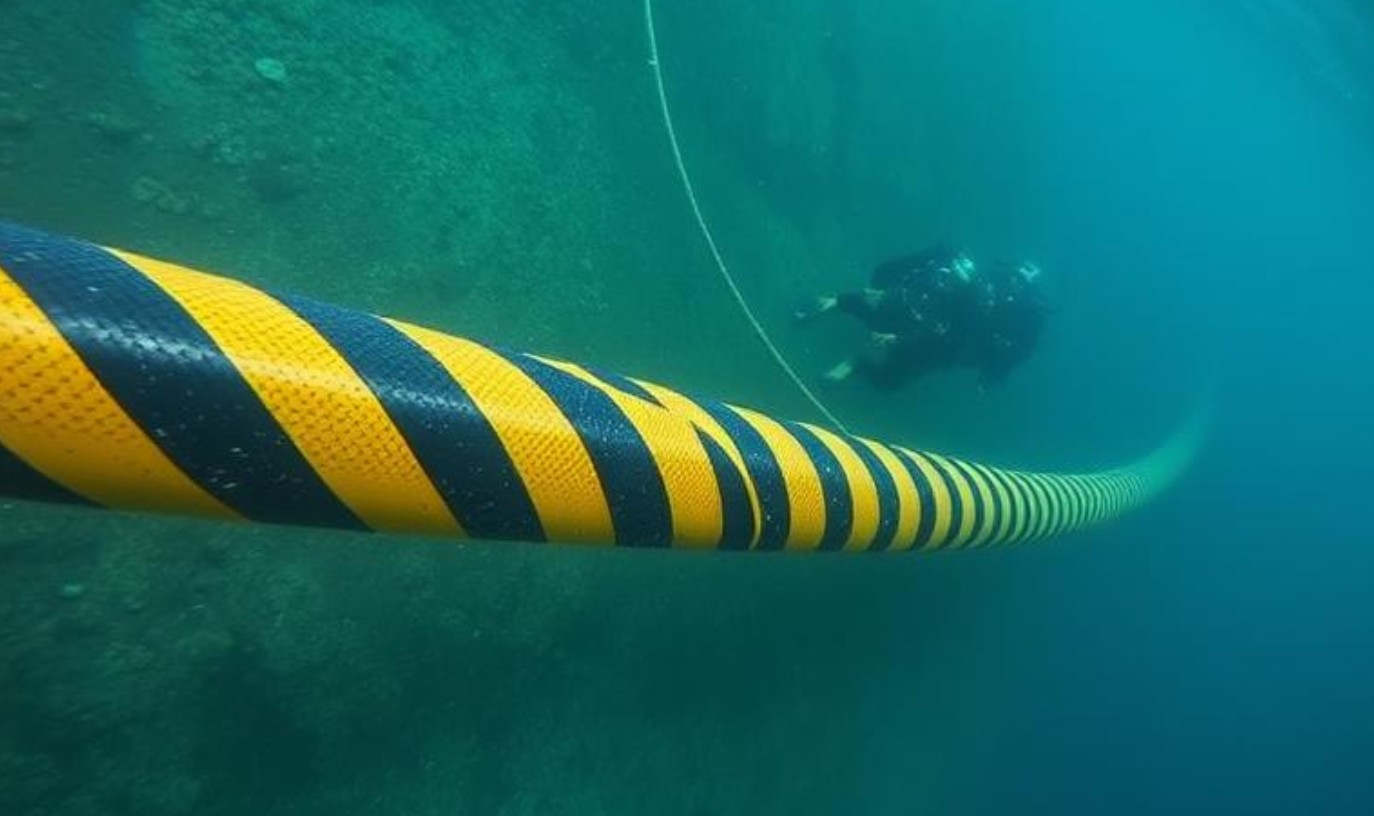
Nel maggio 2015 Microsoft ha annunciato una serie di accordi strategici per rafforzare la propria infrastruttura globale di rete attraverso nuovi cavi sottomarini in fibra ottica. L’iniziativa rientra in un più ampio programma di investimenti volto a collegare in modo diretto e più efficiente i data center dell’azienda distribuiti a livello internazionale.
Secondo quanto riportato da ZDNet e confermato da fonti industriali, Microsoft ha siglato intese con i fornitori di infrastrutture Hibernia e Aqua Comms per la realizzazione di due collegamenti distinti. Il primo riguarda un cavo transatlantico che unirà il Nord America con l’Europa, collegando Halifax, in Canada, a Ballinspittle, in Irlanda, e a Brean, nel Regno Unito. Questa dorsale consentirà una trasmissione dati più rapida e affidabile tra le principali regioni occidentali.
Il secondo progetto riguarda invece l’Oceano Pacifico e rappresenta un passaggio chiave nella connessione tra il Nord America e l’Asia. Per questa tratta Microsoft ha avviato una collaborazione con diversi operatori asiatici, tra cui China Mobile, China Telecom, China Unicom, Chunghwa Telecom e KT Corporation. Il cavo collegherà Hillsboro, in Oregon, con Cina, Giappone, Corea del Sud e Taiwan, creando una nuova rete in fibra ottica transpacifica.
Nell’ambito di questo accordo, Microsoft realizzerà per la prima volta un proprio sito fisico di atterraggio dei cavi negli Stati Uniti, rafforzando il controllo diretto sull’infrastruttura di rete. L’obiettivo dichiarato è supportare l’espansione dei servizi cloud dell’azienda, in particolare piattaforme come Azure e Office 365, migliorando le prestazioni e riducendo la latenza nell’accesso ai dati a livello globale.
L’investimento assume anche una valenza competitiva. Negli stessi anni, altri grandi gruppi tecnologici come Google e Facebook avevano già avviato progetti analoghi per la posa di cavi sottomarini, soprattutto nell’area asiatica, con l’intento di ridurre i costi operativi del cloud e aumentare l’affidabilità delle connessioni.
In un intervento pubblicato sul blog aziendale, David Crowley, allora responsabile di Network Launch di Microsoft, ha sottolineato come questi investimenti siano pensati per offrire servizi cloud caratterizzati da elevata disponibilità, sicurezza e continuità operativa.
Secondo Crowley, la competizione nel settore non riguarda solo l’infrastruttura o il cloud computing in senso stretto, ma la capacità complessiva di innovare e fornire valore ai clienti attraverso una rete che si estende “dal mare allo spazio”.
Ti è piaciuto questo articolo? Ne stiamo discutendo nella nostra Community su LinkedIn, Facebook e Instagram. Seguici anche su Google News, per ricevere aggiornamenti quotidiani sulla sicurezza informatica o Scrivici se desideri segnalarci notizie, approfondimenti o contributi da pubblicare.

 Cybercrime
 Innovazione
 Cybercrime
 Vulnerabilità
 Innovazione