




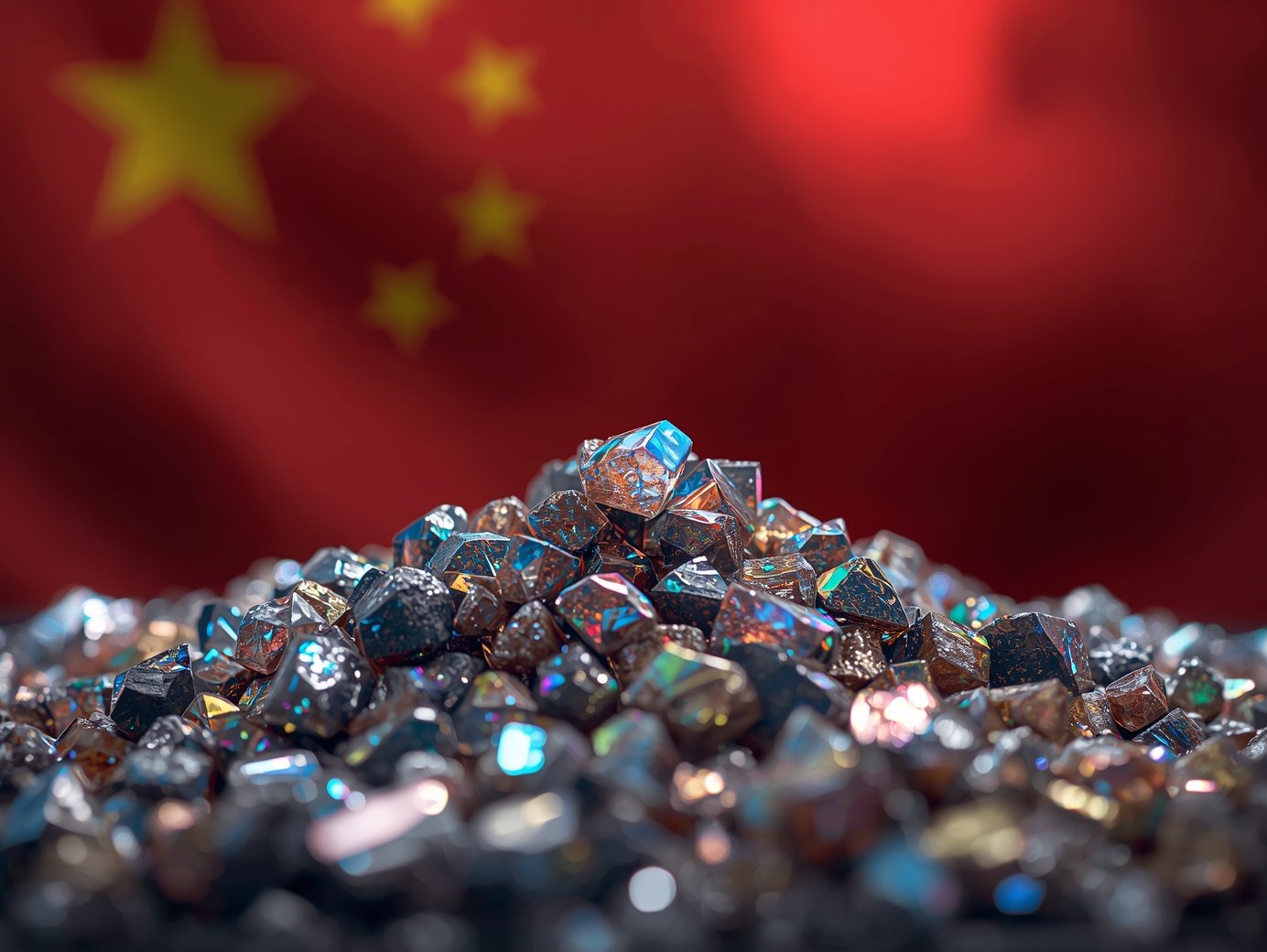
Negli Stati Uniti sta emergendo una domanda sempre più pressante: dopo una lunga serie di divieti, restrizioni e chiusure nei confronti della Cina, come potrà il Paese garantire la fornitura di batterie e materiali strategici indispensabili per alimentare data center, droni militari e sistemi autonomi impiegati nell’industria della difesa?
Al centro di questa incertezza c’è il controllo delle terre rare, elementi fondamentali per l’economia tecnologica e militare contemporanea.
Il tema è tornato centrale il 5 novembre 2025, in occasione del vertice tra il presidente cinese Xi Jinping e l’allora presidente statunitense Donald Trump, conclusosi in Corea del Sud. L’incontro, molto atteso, ha portato a un temporaneo allentamento delle tensioni commerciali: Pechino ha sospeso il divieto sulle esportazioni di terre rare, mentre Washington ha ridotto parte dei dazi sui prodotti cinesi.
La decisione ha confermato quanto le terre rare rappresentino una leva strategica nei rapporti tra le due potenze. In un contesto globale segnato da crescenti rischi geopolitici, la Cina mantiene una posizione dominante lungo l’intera filiera, dall’estrazione alla raffinazione. Proprio per questo, Trump ha promosso l’idea di una rete industriale alternativa sostenuta dagli Stati Uniti e dai Paesi alleati, spesso definita dai media come una sorta di “NATO delle terre rare”, con l’obiettivo dichiarato di ridurre la dipendenza da Pechino.
| Problema Strategico | Situazione Attuale (Quota Cina) | Situazione Attuale (Quota USA / Alleati) | Soluzione proposta nell’articolo |
| Estrazione Mineraria | ~60-70% | ~12-14% (USA), ~10% (Australia) | Apertura nuove miniere e accordi con Australia/Vietnam. |
| Raffinazione (Separazione) | ~85-91% | < 5% (Principalmente in Malesia/Estonia) | Impianti MP Materials (USA) e Saskatchewan (Canada). |
| Produzione Magneti | ~94% | ~1-2% | Incentivi per riportare la produzione di magneti in Occidente. |
| Riserve Note | ~48% (44 mln ton) | ~2% (USA), ~6% (Australia) | Esplorazione geologica in Groenlandia e Svezia. |
| Tecnologia di Riciclo | Leader (Dominio Brevetti) | < 5% (In fase embrionale) | Sviluppo di sistemi di riciclo coordinati tra alleati. |
Secondo Kyle Chan, ricercatore presso il John L. Thornton China Center della Brookings Institution, gli accordi recentemente siglati tra Stati Uniti, Australia e Giappone indicano un cambio di direzione significativo. Tuttavia, Chan sottolinea che la dipendenza dalla Cina non può essere superata rapidamente né in modo assoluto, ma solo attraverso un processo graduale di diversificazione.
Un’analisi simile è stata proposta da Chen Kaixin, studioso delle relazioni sino-americane e dello sviluppo tecnologico cinese. A suo avviso, la costruzione di una filiera alternativa richiederà diversi anni. Nel breve periodo, Washington potrebbe ridurre i rischi rafforzando capacità già esistenti in Paesi partner come l’Australia. Un esempio è l’accordo minerario firmato dalla statunitense MP Materials Corp, che però necessita di tempi lunghi prima di raggiungere una piena espansione produttiva.
Le difficoltà restano evidenti. John Helveston, professore associato alla George Washington University, ha osservato che, nel breve termine, le opzioni degli Stati Uniti per competere con la Cina nel settore delle terre rare sono limitate, soprattutto sul piano industriale ed economico.
Secondo Zhang Lehan, per diversi anni gli Stati Uniti continueranno a dipendere dalle importazioni cinesi, rendendo essenziale mantenere relazioni commerciali stabili nel breve periodo. La strategia di lungo termine dovrebbe invece puntare sulla cooperazione con gli alleati per sviluppare impianti di lavorazione in altri Paesi e offrire incentivi agli investimenti nella raffinazione, come contratti di acquisto garantiti.
Questo approccio, tuttavia, richiede anche una crescita della domanda interna, ad esempio attraverso l’espansione del settore dei veicoli elettrici e della produzione di batterie. Zhang rileva che l’amministrazione Trump stava andando nella direzione opposta, frenando lo sviluppo di questi comparti.
Un’ulteriore chiave di lettura arriva da Liao Po-lin, professore associato all’Università Nazionale di Scienza e Tecnologia di Kaohsiung, a Taiwan. Liao evidenzia come il primato cinese nelle tecnologie legate alle terre rare sia il risultato di investimenti e politiche di lungo periodo. Dal 2015, con il 13° Piano Quinquennale dedicato alle terre rare, Pechino ha dato priorità al riciclo e all’ottimizzazione dei processi produttivi, costruendo nel tempo una filiera completa e integrata.
Sebbene realtà come la società australiana Lynas e il Saskatchewan Research Council canadese abbiano compiuto progressi nelle tecnologie di lavorazione, secondo Liao non sono ancora in grado di sostituire rapidamente la catena di approvvigionamento cinese.
Per gli Stati Uniti, oltre al divario tecnologico, pesano tre ostacoli principali: le normative ambientali, la mancanza di economie di scala e sistemi di riciclo ancora poco sviluppati. Superare questi limiti richiederà un impegno coordinato e un sostegno trasversale da parte delle istituzioni e dell’industria.
Ti è piaciuto questo articolo? Ne stiamo discutendo nella nostra Community su LinkedIn, Facebook e Instagram. Seguici anche su Google News, per ricevere aggiornamenti quotidiani sulla sicurezza informatica o Scrivici se desideri segnalarci notizie, approfondimenti o contributi da pubblicare.

 Cybercrime
 Innovazione
 Cybercrime
 Vulnerabilità
 Innovazione