





Le autorità statunitensi stanno discutendo attivamente sulla necessità di rafforzare le attività informatiche offensive a fronte dei continui attacchi alle infrastrutture critiche del Paese. Durante un’audizione della Commissione per la Sicurezza Interna della Camera, i partecipanti hanno sottolineato che l’attuale livello di minaccia richiede una riconsiderazione degli approcci, incluso l’uso attivo di operazioni offensive contro gruppi stranieri.
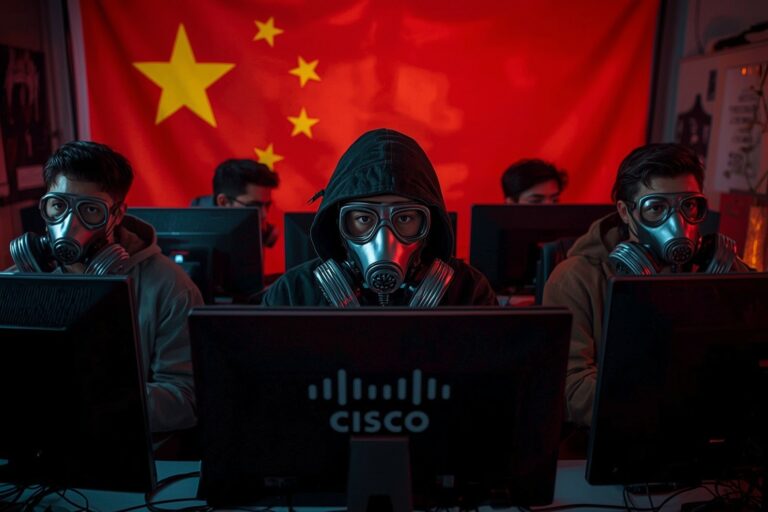
La discussione è stata stimolata dall’aumento dell’attività di hacker legati alla Cina. Gli esperti stimano che negli ultimi mesi siano penetrati in infrastrutture chiave non legate all’esercito. Ciò potrebbe indicare la preparazione di potenziali azioni in caso di escalation, ad esempio nella zona di Taiwan. Gruppi cinesi hanno anche ottenuto l’accesso ai sistemi di intercettazione utilizzati dalle forze dell’ordine statunitensi per le intercettazioni telefoniche disposte dai tribunali.
Tra i relatori, il direttore di un istituto dell’Università di Auburn ha sottolineato che il cyberspazio è già diventato un vero e proprio ambito di conflitto militare e deve essere integrato nella strategia a tutti i livelli. Senza questo, ha sostenuto, gli Stati Uniti non saranno in grado di contrastare efficacemente le minacce.
Il capo di un’azienda privata specializzata in operazioni informatiche offensive ha aggiunto che l’attuale strategia non riesce a scoraggiare gli avversari. Ha osservato che gli attacchi dei gruppi cinesi sono costanti, automatizzati e mirati a creare le condizioni per una crisi, non semplicemente a rubare dati. Inoltre, ritiene che la moderazione degli Stati Uniti non faccia altro che incoraggiare un’ulteriore escalation.
Ha proposto di industrializzare le capacità offensive, trasformando le tecniche professionali di attacco informatico in strumenti in grado di funzionare in modo automatizzato sotto il controllo umano. Tale trasformazione, a suo avviso, consentirà agli Stati Uniti di rispondere alle minacce esterne in modo più rapido ed efficace.
La discussione ha incluso anche la necessità di creare un’unità informatica separata all’interno delle forze armate, un tema dibattuto da tempo negli ambienti competenti. Un rappresentante del think tank, che in precedenza ha lavorato per la CIA, ha sottolineato che il Paese deve ancora costruire un meccanismo di deterrenza nell’ambiente digitale e sta cedendo l’iniziativa ad altri Stati.
Allo stesso tempo, nonostante il sentimento generale a favore di un’azione più proattiva, alcuni partecipanti hanno messo in guardia contro misure affrettate. Drew Bagley, rappresentante di CrowdStrike, un’importante azienda americana di sicurezza informatica, ha avvertito che gli attacchi di ritorsione potrebbero causare danni ripetuti alle aziende, interrompere le indagini e avere conseguenze imprevedibili sulla scena internazionale.
Secondo Bagley, qualsiasi misura offensiva dovrebbe rimanere nelle mani di agenzie governative autorizzate, operare secondo procedure stabilite ed essere monitorata.
Ti è piaciuto questo articolo? Ne stiamo discutendo nella nostra Community su LinkedIn, Facebook e Instagram. Seguici anche su Google News, per ricevere aggiornamenti quotidiani sulla sicurezza informatica o Scrivici se desideri segnalarci notizie, approfondimenti o contributi da pubblicare.

 Innovazione
 Cybercrime
 Vulnerabilità
 Innovazione
 Cyber Italia