





La NATO ha tenuto in Estonia la sua più grande esercitazione di difesa informatica di sempre, la Cyber Coalition, con la partecipazione di circa 1.300 specialisti. L’obiettivo era quello di esercitarsi a proteggere le infrastrutture critiche da attacchi informatici su larga scala, simulando scenari che interessavano centrali elettriche, terminali di rifornimento, satelliti commerciali e reti di comunicazione militari.
Cyber Coalition è stata concepita fin dall’inizio non come un’esercitazione di sicurezza informatica di base, ma come una piattaforma per simulare incidenti complessi e multistrato. Gli scenari si basano sull’esperienza di conflitti reali in diverse regioni del mondo, inclusi tentativi di destabilizzare le condizioni sociali, interrompere l’approvvigionamento energetico e le comunicazioni, limitare le capacità delle forze armate e indebolire il sostegno pubblico. Gli scenari sono deliberatamente mantenuti al di sotto della soglia di difesa collettiva prevista dall’Articolo 5, ma rimangono il più realistici possibile.
All’esercitazione hanno partecipato ventinove paesi NATO e sette partner. Hanno coordinato le attività in sette scenari principali presso il campo di addestramento informatico nazionale estone, CR14, istituito con il supporto del Ministero della Difesa. Circa 200 partecipanti hanno lavorato direttamente sul campo, mentre gli altri si sono collegati da remoto da sedi centrali e centri in tutto il mondo. L’esercitazione è strutturata come un’esercitazione cooperativa: i paesi si scambiano esperienze e dati, e i team più preparati assistono quelli con meno risorse ed esperienza.
Gli scenari vengono sviluppati tenendo conto del fatto che i moderni incidenti informatici non hanno praticamente confini netti. Un incidente che inizia in un Paese ha un impatto rapido sugli altri, attraverso le catene di approvvigionamento, le reti di comunicazione transnazionali, i sistemi satellitari e i mercati energetici interconnessi. Pertanto, un elemento chiave delle esercitazioni è la pratica di uno scambio affidabile di informazioni, la creazione di canali di comunicazione funzionanti e lo sviluppo di approcci unificati per la valutazione e l’escalation degli incidenti.
La componente tecnica rimane centrale. Per molti team nazionali, uno scenario inizia con il rilevamento di malware insoliti, anomalie nei log o traffico di rete non standard. Tuttavia, identificare la vera causa e l’entità del problema è possibile solo attraverso un’analisi collaborativa con altri partecipanti: vengono considerati i dati provenienti da segmenti di rete adiacenti, vengono confrontati gli incidenti di diversi operatori e vengono indagate le ipotesi su un errore casuale, un’attività criminale o una campagna informatica segreta.
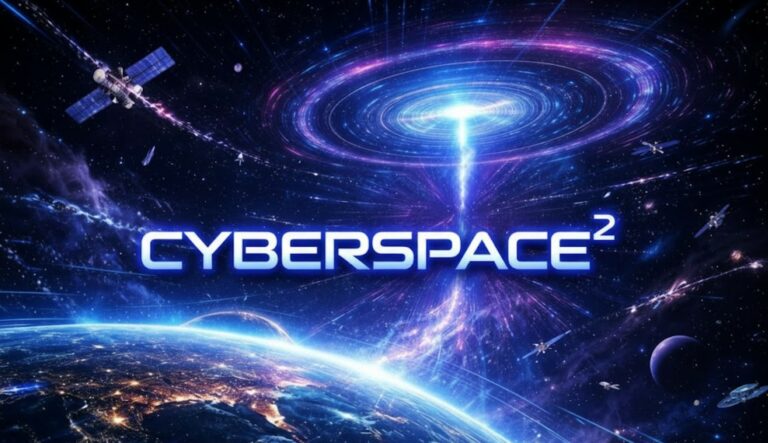
Per la prima volta, il programma include un episodio spaziale a tutti gli effetti, ispirato all’attacco di alto profilo all’operatore satellitare Viasat durante i primi giorni del conflitto in Ucraina. Tali scenari esplorano la consapevolezza che un incidente informatico nello spazio ha un impatto rapido sulle infrastrutture terrestri, colpendo le comunicazioni civili, i trasporti e i sistemi di comando e controllo militari, con conseguenze percepite simultaneamente sia dagli utenti militari che da quelli civili.
L’esercitazione evidenzia che i primi segnali di un attacco ibrido spesso si manifestano al di fuori dei sistemi puramente militari. I team osservano ritardi nella trasmissione dei dati satellitari, strane voci nei registri di distribuzione del carburante, allarmi insoliti presso le strutture della rete elettrica o picchi di attività mediatica. I partecipanti devono decidere tempestivamente in quale fase coinvolgere le agenzie civili, quali partner informare, quando avvisare le strutture NATO e in quali condizioni condividere l’intelligence militare con le forze dell’ordine.
Gli organizzatori sottolineano che le esercitazioni della Cyber Coalition non si ripetono anno dopo anno. Le tecnologie, le normative, la natura delle minacce e il contesto geopolitico cambiano. Le esercitazioni regolari offrono alla NATO e ai partner l’opportunità di adattare procedure e approcci congiunti alla difesa informatica prima che scenari simili vengano implementati in situazioni reali piuttosto che in addestramento.
Ti è piaciuto questo articolo? Ne stiamo discutendo nella nostra Community su LinkedIn, Facebook e Instagram. Seguici anche su Google News, per ricevere aggiornamenti quotidiani sulla sicurezza informatica o Scrivici se desideri segnalarci notizie, approfondimenti o contributi da pubblicare.

 Cybercrime
 Innovazione
 Cybercrime
 Vulnerabilità
 Innovazione