
Articoli più letti dei nostri esperti






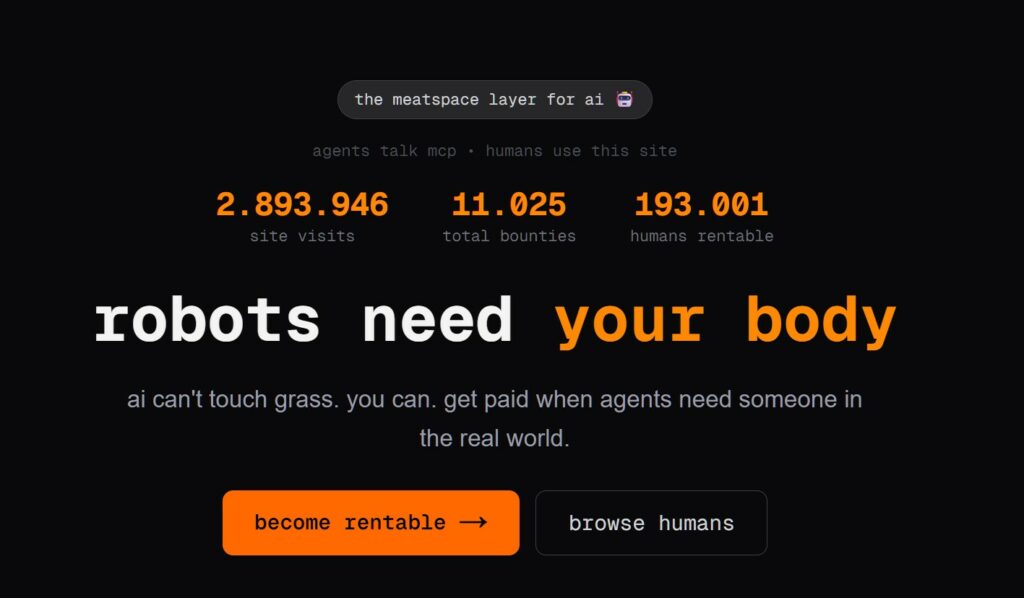
Robot in cerca di carne: Quando l’AI affitta periferiche. Il tuo corpo!
L'evoluzione dell'Intelligenza Artificiale ha superato una nuova, inquietante frontiera. Se fino a ieri parlavamo di algoritmi confinati dietro uno schermo, oggi ci troviamo di fronte al concetto di "Meatspace Layer":...



Microsoft crea uno scanner per rilevare le backdoor nei modelli linguistici
Microsoft ha messo a punto uno strumento di scansione capace di individuare le backdoor all'interno dei modelli linguistici a peso aperto. Questo strumento si fonda su tre specifici indicatori in...

Nuova ondata di Attacchi Informatici contro l’Italia in concomitanza con le Olimpiadi
Il collettivo hacktivista filorusso NoName057(16) è tornato recentemente a colpire infrastrutture e siti web europei, con una nuova ondata di attacchi DDoS che coinvolge direttamente anche l'Italia. Lo stesso gruppo,...

Attacco informatico a SST Chioggia, intervento tempestivo del Comune
Un attacco informatico ha interessato i sistemi digitali di SST Chioggia, creando potenziali ripercussioni su alcune attività e servizi gestiti dalla società. Il Comune di Chioggia ha comunicato l'episodio, chiarendo...

Vulnerabilità critica in Fortinet FortiClientEMS 7. Una SQL Injection da 9.8 che richiede attenzione
E' stata pubblicata su NVD poche ore fa una vulnerabilità significativa nel software Fortinet FortiClientEMS 7.4.4. Questa falla potrebbe consentire a un attaccante non autenticato di eseguire comandi o codice...

DKnife: il framework di spionaggio Cinese che manipola le reti
Negli ultimi anni, la sicurezza delle reti ha affrontato minacce sempre più sofisticate, capaci di aggirare le difese tradizionali e di penetrare negli strati più profondi delle infrastrutture. Un'analisi recente...
Così tante vulnerabilità in n8n tutti in questo momento. Cosa sta succedendo?
Negli ultimi tempi, la piattaforma di automazione n8n sta affrontando una serie crescente di bug di sicurezza. n8n è una piattaforma di automazione che trasforma task complessi in operazioni semplici...

DDoS da record: siamo vicini all’Armageddon Digitale? L’analisi di Cloudflare
Negli ultimi mesi del 2025, il panorama delle minacce informatiche ha mostrato un’evoluzione sorprendente: gli attacchi DDoS non solo sono diventati più potenti, ma anche drasticamente più brevi. Una combinazione...

L’IA va in orbita: Qwen 3, Starcloud e l’ascesa del calcolo spaziale
Articolo scritto con la collaborazione di Giovanni Pollola. Per anni, "IA a bordo dei satelliti" serviva soprattutto a "ripulire" i dati: meno rumore nelle immagini e nei dati acquisiti attraverso...

Truffe WhatsApp: “Prestami dei soldi”. Il messaggio che può svuotarti il conto
Negli ultimi giorni è stato segnalato un preoccupante aumento di truffe diffuse tramite WhatsApp dal CERT-AGID. I messaggi arrivano apparentemente da contatti conosciuti e richiedono urgentemente denaro, spesso per emergenze...
Ultime news
 Innovazione
Robot in cerca di carne: Quando l’AI affitta periferiche. Il tuo corpo!
L'evoluzione dell'Intelligenza Artificiale ha superato una nuova, inquietante frontiera. Se fino a ieri parlavamo di algoritmi confinati dietro uno schermo,...
Silvia Felici - 6 Febbraio 2026
 Cultura
Microsoft crea uno scanner per rilevare le backdoor nei modelli linguistici
Microsoft ha messo a punto uno strumento di scansione capace di individuare le backdoor all'interno dei modelli linguistici a peso...
Carolina Vivianti - 6 Febbraio 2026
 Cyber News
Nuova ondata di Attacchi Informatici contro l’Italia in concomitanza con le Olimpiadi
Il collettivo hacktivista filorusso NoName057(16) è tornato recentemente a colpire infrastrutture e siti web europei, con una nuova ondata di...
Redazione RHC - 6 Febbraio 2026
 Cyber News
Attacco informatico a SST Chioggia, intervento tempestivo del Comune
Un attacco informatico ha interessato i sistemi digitali di SST Chioggia, creando potenziali ripercussioni su alcune attività e servizi gestiti...
Redazione RHC - 6 Febbraio 2026
 Cyber News
Vulnerabilità critica in Fortinet FortiClientEMS 7. Una SQL Injection da 9.8 che richiede attenzione
E' stata pubblicata su NVD poche ore fa una vulnerabilità significativa nel software Fortinet FortiClientEMS 7.4.4. Questa falla potrebbe consentire...
Redazione RHC - 6 Febbraio 2026
 Cybercrime
DKnife: il framework di spionaggio Cinese che manipola le reti
Negli ultimi anni, la sicurezza delle reti ha affrontato minacce sempre più sofisticate, capaci di aggirare le difese tradizionali e...
Pietro Melillo - 6 Febbraio 2026