
Articoli più letti dei nostri esperti







La Sapienza riattiva i servizi digitali dopo l’attacco hacker
Dopo giorni complicati, La Sapienza prova a rimettere in moto i suoi servizi digitali, con l'attenzione di chi sa che un errore adesso costerebbe caro. L'attacco informatico del 2 febbraio...



La minaccia Stan Ghouls corre su Java: come proteggere i tuoi sistemi
Negli ultimi mesi, un gruppo hacker noto come Stan Ghouls ha catturato l'attenzione degli esperti di sicurezza. Non stiamo parlando di attacchi casuali, ma di campagne mirate che prendono di...

NIS2 applicata alle PMI: strategie economiche per un approccio efficace
L'applicazione della normativa NIS2 alle PMI (Piccole Medie Imprese) italiane richiede l'adozione di una strategia che metta al centro le persone, mirando a creare una cultura della sicurezza informatica con...

Dipendenza dai giganti cloud: l’UE inizia a considerare Amazon, Google e Microsoft una minaccia
L'Europa sta alzando il livello di guardia sulla propria dipendenza dai principali fornitori di cloud statunitensi. Amazon, Google e Microsoft sono sotto attenta osservazione, con l'obiettivo di salvaguardare la stabilità...
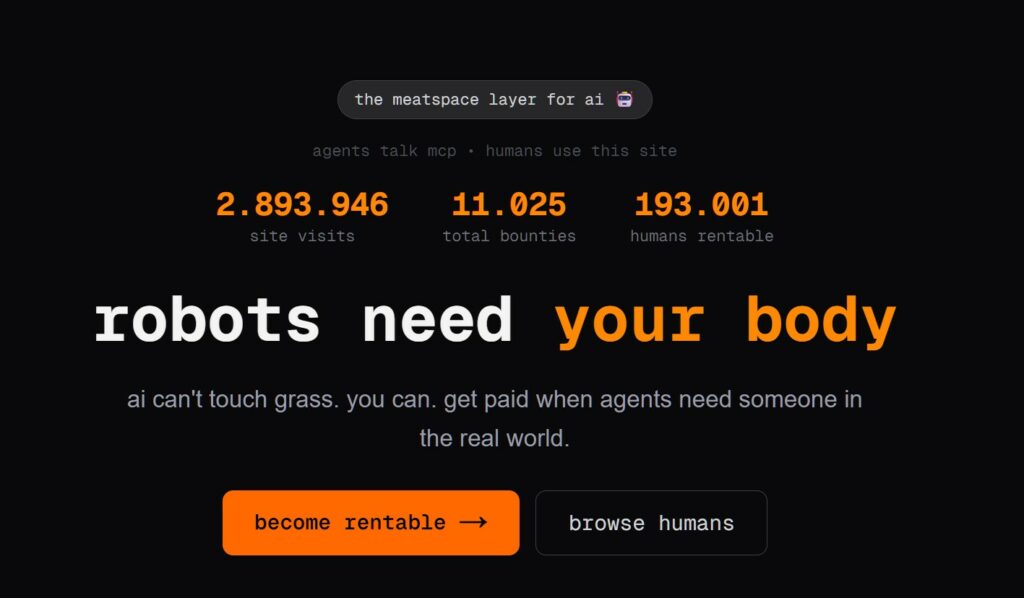
Robot in cerca di carne: Quando l’AI affitta periferiche. Il tuo corpo!
L'evoluzione dell'Intelligenza Artificiale ha superato una nuova, inquietante frontiera. Se fino a ieri parlavamo di algoritmi confinati dietro uno schermo, oggi ci troviamo di fronte al concetto di "Meatspace Layer":...

Microsoft crea uno scanner per rilevare le backdoor nei modelli linguistici
Microsoft ha messo a punto uno strumento di scansione capace di individuare le backdoor all'interno dei modelli linguistici a peso aperto. Questo strumento si fonda su tre specifici indicatori in...

Nuova ondata di Attacchi Informatici contro l’Italia in concomitanza con le Olimpiadi
Il collettivo hacktivista filorusso NoName057(16) è tornato recentemente a colpire infrastrutture e siti web europei, con una nuova ondata di attacchi DDoS che coinvolge direttamente anche l'Italia. Lo stesso gruppo,...

Attacco informatico a SST Chioggia, intervento tempestivo del Comune
Un attacco informatico ha interessato i sistemi digitali di SST Chioggia, creando potenziali ripercussioni su alcune attività e servizi gestiti dalla società. Il Comune di Chioggia ha comunicato l'episodio, chiarendo...

Vulnerabilità critica in Fortinet FortiClientEMS 7. Una SQL Injection da 9.8 che richiede attenzione
E' stata pubblicata su NVD poche ore fa una vulnerabilità significativa nel software Fortinet FortiClientEMS 7.4.4. Questa falla potrebbe consentire a un attaccante non autenticato di eseguire comandi o codice...

DKnife: il framework di spionaggio Cinese che manipola le reti
Negli ultimi anni, la sicurezza delle reti ha affrontato minacce sempre più sofisticate, capaci di aggirare le difese tradizionali e di penetrare negli strati più profondi delle infrastrutture. Un'analisi recente...
Ultime news
 Cyber News
La Sapienza riattiva i servizi digitali dopo l’attacco hacker
Dopo giorni complicati, La Sapienza prova a rimettere in moto i suoi servizi digitali, con l'attenzione di chi sa che...
Redazione RHC - 7 Febbraio 2026
 Cybercrime
La minaccia Stan Ghouls corre su Java: come proteggere i tuoi sistemi
Negli ultimi mesi, un gruppo hacker noto come Stan Ghouls ha catturato l'attenzione degli esperti di sicurezza. Non stiamo parlando...
Bajram Zeqiri - 7 Febbraio 2026
 Cyber News
NIS2 applicata alle PMI: strategie economiche per un approccio efficace
L'applicazione della normativa NIS2 alle PMI (Piccole Medie Imprese) italiane richiede l'adozione di una strategia che metta al centro le...
Redazione RHC - 7 Febbraio 2026
 Cyberpolitica
Dipendenza dai giganti cloud: l’UE inizia a considerare Amazon, Google e Microsoft una minaccia
L'Europa sta alzando il livello di guardia sulla propria dipendenza dai principali fornitori di cloud statunitensi. Amazon, Google e Microsoft...
Marcello Filacchioni - 7 Febbraio 2026
 Innovazione
Robot in cerca di carne: Quando l’AI affitta periferiche. Il tuo corpo!
L'evoluzione dell'Intelligenza Artificiale ha superato una nuova, inquietante frontiera. Se fino a ieri parlavamo di algoritmi confinati dietro uno schermo,...
Silvia Felici - 6 Febbraio 2026
 Cultura
Microsoft crea uno scanner per rilevare le backdoor nei modelli linguistici
Microsoft ha messo a punto uno strumento di scansione capace di individuare le backdoor all'interno dei modelli linguistici a peso...
Carolina Vivianti - 6 Febbraio 2026